
Choosing where to stay in Mexico City for first time visitors can feel overwhelming. Mexico City is enormous, and the experience of a trip can change significantly depending on the neighborhood you choose as your base.
There is no single best area for every traveler. Some visitors want to walk to restaurants, coffee shops, and bars. Others prefer easy access to museums and cultural attractions. Business travelers may prioritize connectivity and comfort, while families or guests staying for several weeks may care more about space, kitchens, and a residential atmosphere.
For many first-time visitors, neighborhoods such as Roma Norte, Condesa, Polanco, Reforma, and Juárez provide some of the easiest introductions to the city. They combine dining, culture, transportation, and access to many of Mexico City’s most popular areas without requiring travelers to spend most of their day crossing the city.
The right choice ultimately comes down to how you want to experience Mexico City.
How to Choose Your First Mexico City Neighborhood
Before booking accommodation, think beyond the property itself. A beautiful apartment or hotel room can be less convenient if it is far from everything on your itinerary.
Mexico City covers a large geographic area, so location can have a noticeable impact on how much time you spend traveling between activities. Although the city has an extensive public transportation network, including Metro and Metrobús services, choosing a strategically located neighborhood can make a first trip much easier. The city’s integrated mobility network connects services including Metro, Metrobús, Trolebús, RTP, Cablebús, Tren Ligero, and Ecobici.
Start by considering what you expect to do most often.
If restaurants, cafés, bars, and neighborhood exploration are priorities, Roma Norte or Condesa may be the most natural choices. Travelers interested in museums, sophisticated dining, and a more polished environment may prefer Polanco. If your itinerary requires moving around different parts of the city frequently, Reforma or Juárez can provide a particularly convenient central base.
Walkability is another important factor. Staying somewhere where you can walk to breakfast, dinner, parks, shops, and entertainment can make the city feel much more approachable.
You should also consider your tolerance for noise. Streets lined with restaurants and nightlife naturally tend to remain active later into the evening. Even within the same neighborhood, choosing an apartment on a quieter residential street instead of directly above a busy avenue can produce a completely different experience.
Finally, think about how long you are staying. A traditional hotel can be convenient for a short weekend, while an apartment with a kitchen, living room, and additional space often becomes more valuable during trips lasting a week or longer.
Your neighborhood choice should also reflect your travel style. A couple planning restaurant reservations and evening drinks may value walkability differently from a business traveler with meetings across the city or a family looking for parks and additional space. Thinking about how you will actually spend most of your days usually makes the decision much easier.
Roma Norte: Food, Culture, and City Energy
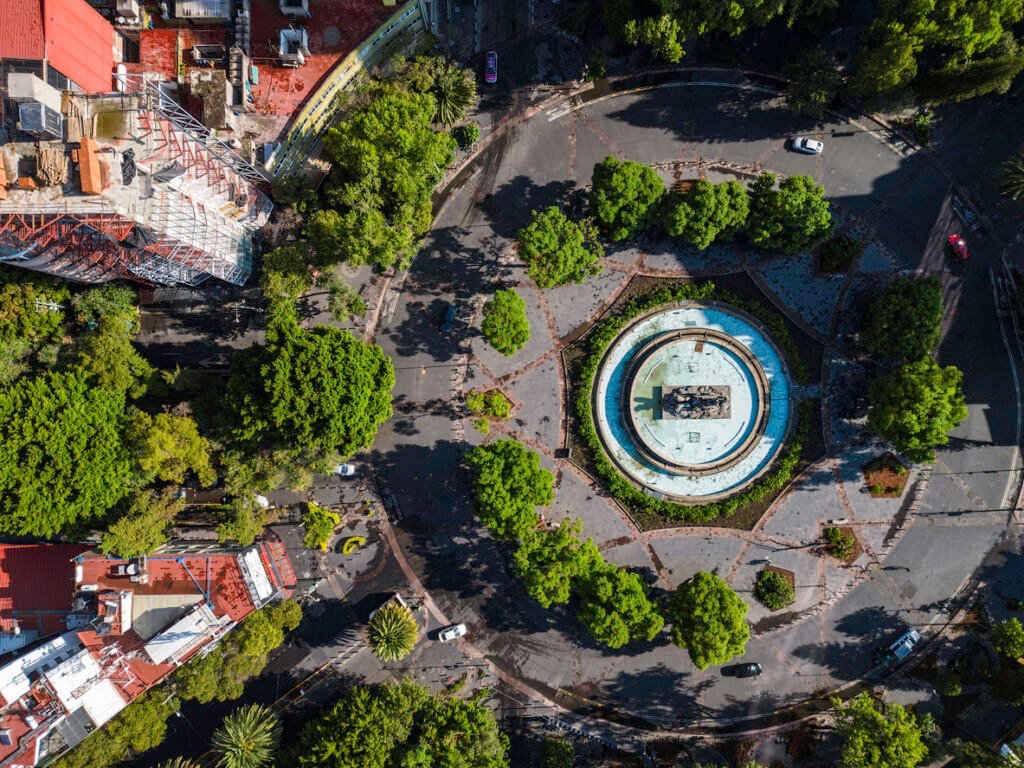
Roma Norte is frequently one of the first neighborhoods travelers encounter when researching Mexico City, and it is easy to understand why.
The neighborhood combines residential streets with restaurants, coffee shops, galleries, boutiques, bars, and architectural character. Rather than feeling like an isolated tourist district, Roma Norte gives visitors opportunities to experience everyday neighborhood life while remaining close to many of the places they are likely to explore.
Mexico City’s official tourism resources group Roma and Condesa among the city’s prominent modern neighborhoods, alongside Polanco, while the Roma-Condesa area is connected to other parts of the city through major avenues and public transportation corridors.
For travelers interested in food, Roma Norte is particularly appealing. You can build entire days around breakfast spots, bakeries, casual lunches, cocktail bars, and dinner without traveling far from your accommodation.
Culture is another advantage. Galleries, independent shops, architecture, and nearby cultural spaces make wandering around the neighborhood part of the experience rather than simply a way to get from one attraction to another.
The tradeoff is activity. Some parts of Roma Norte can remain busy into the evening, particularly around streets with clusters of restaurants and bars. First-time visitors who like having nightlife close by may consider that a benefit. Light sleepers may prefer accommodation on a more residential street.
Best for: food lovers, couples, younger travelers, solo travelers, and anyone who wants an energetic neighborhood experience.
Condesa: Parks and an Easy Local Rhythm
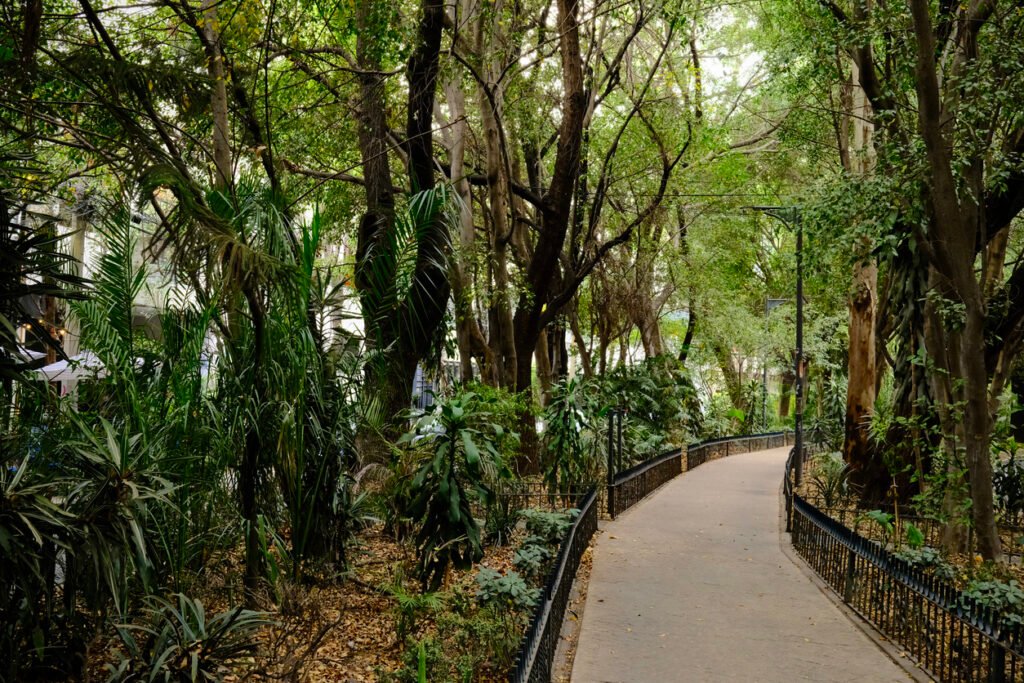
Condesa sits next to Roma and shares many of its advantages, but the atmosphere can feel somewhat different.
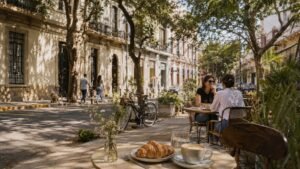
Its tree-lined streets, cafés, restaurants, residential buildings, and green spaces make it particularly appealing to travelers who want an accessible neighborhood where simply walking around is part of the trip.
Condesa works especially well if you want to start mornings slowly, spend time outdoors, and have restaurants and coffee shops within walking distance. Its location also makes it easy to combine visits to Roma Norte, Chapultepec, Reforma, and other central areas.
Public transportation is accessible as well. Mexico City’s official visitor information identifies the Metrobús as an important transportation option for reaching areas including Roma and Condesa.
For first-time visitors, one of Condesa’s strongest advantages is balance. It offers plenty to do without always feeling as intense as some of the city’s busier commercial corridors.
That does not mean every street is quiet. Areas close to popular restaurants and nightlife can still have significant evening activity, so checking the exact location of your accommodation remains important.
Apartments can be especially useful here because Condesa lends itself well to longer, more residential stays. Having a living room, kitchen, and additional space can complement the neighborhood’s relaxed rhythm.
Best for: couples, longer stays, remote workers, travelers who enjoy walking, and visitors looking for a residential atmosphere with restaurants nearby.
Polanco: Museums, Dining, and Comfort
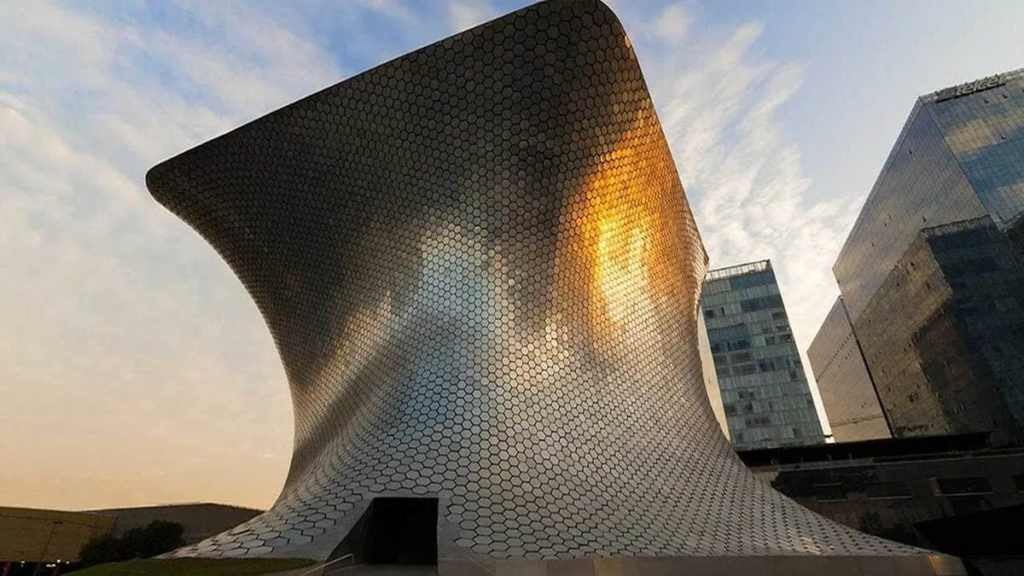
Polanco offers a different version of Mexico City.
The neighborhood is known for upscale restaurants, shopping, hotels, offices, residential buildings, and convenient access to some of the city’s major cultural destinations. Its location next to the Chapultepec area makes it particularly attractive to travelers whose itinerary includes museums and park visits. Mexico City’s tourism resources highlight Polanco along with Roma and Condesa as one of its major modern neighborhoods, while Metrobús routes along Paseo de la Reforma provide access toward Chapultepec and the Polanco hotel area.
Polanco may be one of the strongest choices for travelers prioritizing comfort and convenience over nightlife or a bohemian neighborhood atmosphere.
It can also work particularly well for business travelers. The combination of hotels, furnished apartments, restaurants, offices, and services makes it easy to structure both workdays and evenings without traveling long distances.
The main tradeoff is that Polanco tends to feel more polished and commercial than Roma Norte or Condesa. Travelers primarily looking for independent cafés, small galleries, and an alternative nightlife scene may prefer another neighborhood.
It is also worth considering your itinerary carefully. If most of your plans involve Roma, Condesa, and Juárez, staying in Polanco may mean taking transportation more frequently rather than walking between activities.
Best for: business trips, museum-focused visits, families, luxury travelers, and guests prioritizing comfort.
Reforma and Juárez: Central and Well Connected
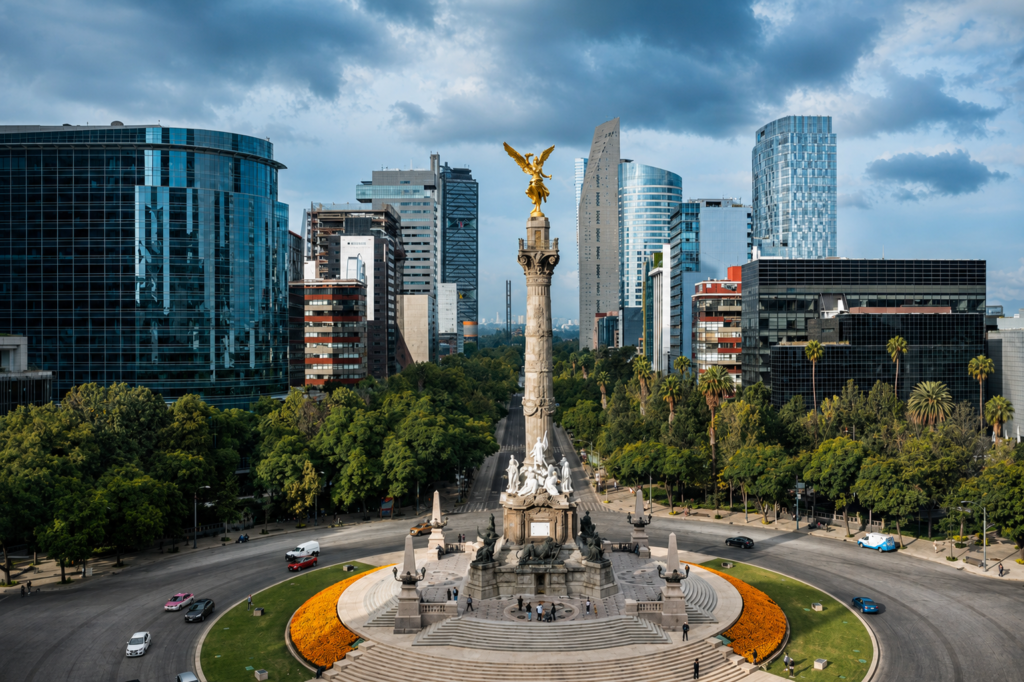
For travelers who expect to explore several different areas during one trip, Reforma and Juárez offer a strong combination of location and transportation.
Paseo de la Reforma is one of Mexico City’s major corridors. Metrobús services operate along the avenue, connecting passengers with museums, Chapultepec, hotel areas, and other parts of the city.
Staying around Reforma can therefore be useful if your itinerary changes every day. You might spend one morning visiting museums, another afternoon exploring Roma and Condesa, and an evening dining in Polanco without choosing a base that strongly favors only one of those areas.
Nearby Juárez provides more of a neighborhood atmosphere.
Parts of Juárez have restaurants, cafés, bars, shops, and nightlife, while its position between Reforma and Roma Norte makes it convenient for travelers who want to explore several central neighborhoods on foot.
First-time visitors may also benefit from learning a few local tips before deciding how much they want to rely on walking, public transportation, or rideshare services. Mexico City becomes easier to navigate once you understand how distances, traffic, and neighborhood routines can affect even relatively simple plans.
The experience can vary considerably from street to street. Areas closer to nightlife can be lively late into the evening, while other blocks feel much more residential. Checking the immediate surroundings of an accommodation is therefore particularly important.
For visitors who value transportation options and want a central starting point rather than spending their entire trip within one neighborhood, Reforma and Juárez deserve serious consideration.
Best for: first-time visitors with busy itineraries, business travelers, nightlife, short trips, and travelers who want easy access to several neighborhoods.
Best Area by Traveler Type
There is no universal answer to where to stay in Mexico City for first time visitors, but matching a neighborhood to your travel style makes the decision much easier.
For food and restaurants: Roma Norte is an excellent starting point. Its dense collection of dining options makes it possible to experience a major part of Mexico City’s food culture without planning transportation for every meal.
For parks and a relaxed neighborhood atmosphere: Condesa offers an appealing balance of green spaces, cafés, restaurants, and residential streets.
For museums and comfort: Polanco puts you close to Chapultepec and provides plenty of restaurants, accommodation options, and traveler-oriented services.
For nightlife: Roma Norte and Juárez are strong choices, although the exact street matters if you also want quiet nights.
For business travel: Polanco and Reforma generally offer a useful combination of location, restaurants, connectivity, and accommodation designed for comfortable stays.
For exploring several neighborhoods: Reforma and Juárez can provide an efficient central base, especially if you expect to use a combination of walking, rideshare services, Metro, or Metrobús.
For a longer stay: Roma Norte, Condesa, Polanco, and Juárez can all work well, but choosing an apartment rather than a traditional hotel may become increasingly valuable as your trip gets longer.
Hotel or Apartment: Which Makes More Sense?
Choosing the right neighborhood is only half of the decision. You should also consider the type of accommodation.
Hotels can be practical for short stays. Daily service, reception desks, and on-site amenities allow travelers to arrive and immediately begin exploring.
Apartments offer a different experience.
For trips lasting several days or weeks, having a kitchen can reduce the need to eat every meal outside. A living room provides somewhere to work or relax beyond the bedroom, while additional bedrooms can make apartments particularly practical for families and groups.
The distinction matters even more for business travelers or digital professionals. Returning to an apartment after a full workday can feel noticeably different from spending both working and leisure hours inside the same hotel room.
Managed apartments can offer a middle ground, combining the space and privacy associated with residential accommodation with professional guest support and services.
How Trip Length Should Influence Your Decision
For a two or three-night visit, location should usually be the main priority. Staying close to the attractions, restaurants, or meetings on your itinerary can save valuable time.
For a week, neighborhood lifestyle becomes increasingly important. You are more likely to grocery shop, find a favorite café, spend evenings close to your accommodation, and appreciate having additional living space.
For stays lasting several weeks or months, practical details become even more important. A kitchen, laundry access, workspace, storage, reliable Wi-Fi, security, and responsive guest support can influence your experience as much as the neighborhood itself.
At that point, the goal is no longer simply finding somewhere to sleep. You are choosing a temporary home in Mexico City.
Find Your Mexico City Stay With ULIV
Once you know which neighborhood matches your travel style, the next step is choosing an accommodation that gives you the right balance of location, space, and services.
ULIV offers professionally managed apartments in some of Mexico City’s most convenient neighborhoods, making them particularly useful for travelers who want more independence than a traditional hotel without giving up professional hospitality.
For a first visit, that flexibility can make a significant difference. You can choose a location close to the restaurants, cultural attractions, offices, parks, or transportation connections that matter most to your itinerary while enjoying the additional space of an apartment.
This format can work especially well for couples, business travelers, families, and guests planning longer stays.
Instead of choosing your accommodation based only on price or appearance, consider what your days will actually look like. The right neighborhood and the right type of stay should make exploring Mexico City easier, not add unnecessary travel time to every plan.
Conclusion
Deciding where to stay in Mexico City for first time visitors starts with understanding that every neighborhood offers a different version of the city.
Roma Norte is a strong choice for travelers drawn to food, culture, and energetic streets. Condesa combines restaurants and cafés with parks and a more relaxed residential rhythm. Polanco provides convenient access to museums, dining, and a high level of comfort. Reforma and Juárez work particularly well for visitors who prioritize centrality and connections to different parts of the city.
Then consider the practical details: how much you plan to walk, where your main activities are located, whether nightlife is a priority, how sensitive you are to noise, and how long you will stay.
For a short trip, convenience may matter most. For a longer visit, space, kitchen facilities, work areas, and a comfortable neighborhood can become just as important.
Mexico City rewards exploration, but choosing the right home base means you can spend more of your first trip enjoying the city and less of it trying to get from one side of it to the other.
Discover our accommodations in the best neighborhoods of Mexico City!