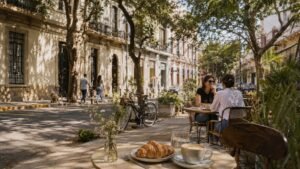

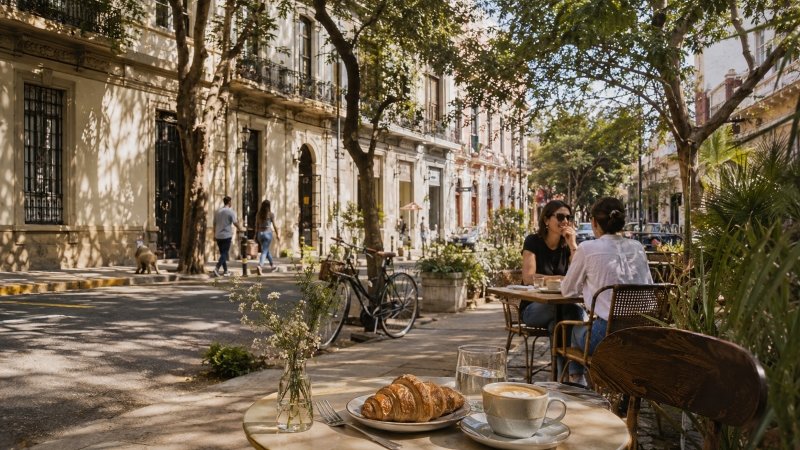
Few neighborhoods capture the contemporary energy of Mexico City as well as Roma Norte. Tree lined streets, early twentieth century architecture, specialty coffee shops, independent boutiques, galleries, neighborhood taquerías, destination restaurants, and lively bars all coexist within a relatively walkable part of the capital.
For travelers, Roma Norte, Mexico City offers something especially valuable: you do not need a packed sightseeing schedule to enjoy it. Walking from one street to another, stopping for coffee, looking at historic façades, browsing a bookstore, having a long lunch, or sitting in a plaza can be as rewarding as visiting a major attraction.
The neighborhood dates back to the early 1900s and still preserves examples of Art Nouveau, Art Deco, Belle Époque, and eclectic architecture. Today, those historic buildings often house restaurants, galleries, cultural spaces, shops, and cafés, creating the mix of old and new that defines Roma.
Whether you have one day or an entire weekend, the best way to experience Roma Norte is not to rush through a checklist. Give yourself time to walk, eat, look around, and experience the rhythm of the neighborhood.
Why Visit Roma Norte?
Roma Norte has become one of the most recognizable areas of Mexico City because it combines several experiences travelers often want in one place.
There is excellent food, but the neighborhood is not only about restaurants. There is nightlife, but it is also pleasant during the morning. There are historic buildings alongside contemporary Mexican design, independent galleries near neighborhood businesses, and busy commercial streets just a few blocks from quiet residential corners.
Much of Roma’s appeal comes from this variety.
A morning might begin with coffee and Mexican pastries, followed by a walk along Álvaro Obregón. Later, you can visit a small museum or gallery, stop at a bookstore, have lunch at a seafood restaurant or casual taquería, and spend the evening moving between cocktail bars.
Roma Norte is also well suited to travelers who prefer exploring cities on foot. Many attractions are relatively close together, so it is easy to create a day around several small stops instead of constantly taking transportation across Mexico City.
Roma Norte, Roma Sur, and Condesa: What Is the Difference?
Travelers frequently use “Roma” as if it were one neighborhood, but Roma Norte and Roma Sur offer somewhat different experiences.
Roma Norte is the area most visitors associate with the name. It contains a particularly high concentration of restaurants, galleries, cafés, bars, boutiques, and architectural landmarks. Streets such as Colima, Córdoba, Orizaba, and Álvaro Obregón are popular starting points for exploring.
Roma Sur begins south of Avenida Coahuila and generally feels more residential. It has its own restaurants, markets, cafés, and local businesses, but the atmosphere is usually less centered on visitors than in the busiest parts of Roma Norte.
Condesa sits immediately west of Roma. The two neighborhoods blend into each other so naturally that first time visitors may cross between them without realizing it.
Condesa is particularly associated with Parque México, Parque España, Avenida Amsterdam, leafy residential streets, cafés, and restaurants. Roma Norte often feels more eclectic and architecturally varied, while Condesa can feel greener and slightly more residential.
There is no need to choose only one to explore. If you are staying in the area, combining Roma Norte and Condesa on foot is one of the easiest ways to understand this part of Mexico City.
The Best Streets and Landmarks to Explore
A good Roma Norte itinerary should leave room for wandering.
Start around Plaza Río de Janeiro, one of the neighborhood’s most recognizable public spaces. The plaza is surrounded by historic architecture and is known for its replica of Michelangelo’s David. Nearby is the striking building commonly called Casa de las Brujas, or House of the Witches.
From there, walk toward Calle Colima, one of the most interesting streets for architecture, design, restaurants, galleries, and independent shops.
Another essential route is Avenida Álvaro Obregón. Its wide central promenade, fountains, sculptures, restaurants, cafés, and trees make it one of the easiest places to understand the neighborhood’s urban character. Mexico City’s official tourism guide highlights Álvaro Obregón as one of Roma’s important green corridors.
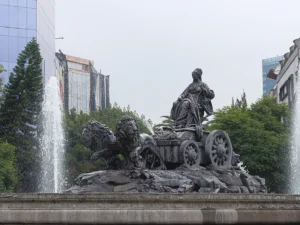
You can also walk toward Fuente de Cibeles, a popular meeting point between Roma and the neighboring Condesa area.
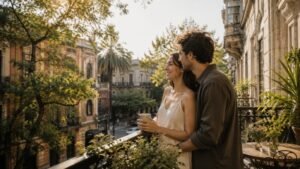
Architecture lovers should avoid focusing only on famous buildings. Look up as you walk. Decorative ironwork, stained glass, curved façades, balconies, towers, and restored early twentieth century homes appear throughout the neighborhood.
Where to Eat in Roma Norte
Food is one of the main reasons travelers choose Roma Norte, but experiencing the neighborhood means looking beyond a list of famous reservations.
At the higher end, Contramar remains one of Roma Norte’s best known restaurants. Located on Durango, it specializes in seafood, with a menu that changes according to seasonal availability.
Another major name is Rosetta, chef Elena Reygadas’s restaurant on Colima. Its location inside one of Roma’s historic houses makes it a good example of how the neighborhood combines architecture and contemporary gastronomy.
However, not every meal needs to become an event.
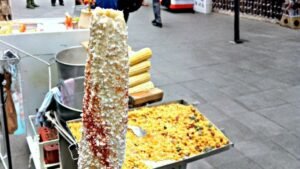
Part of experiencing Roma Norte like a local means paying attention to the smaller places between destination restaurants. Taco stands, torta shops, small fondas, casual seafood spots, and neighborhood restaurants make it possible to eat extremely well without organizing your entire day around reservations.
Tacos are especially easy to work into a day of exploring, whether you stop for a quick lunch or something late at night. Roma Norte has plenty of local taco spots that fit naturally between cafés, galleries, and longer restaurant reservations.
Recent coverage of Mexico City’s street food scene has continued to highlight Roma Norte as an area where newer casual concepts appear alongside established businesses.
A good approach is to plan one important restaurant reservation and leave at least one other meal open for something you discover while walking.
Cafés, Bakeries, and Breakfast Spots
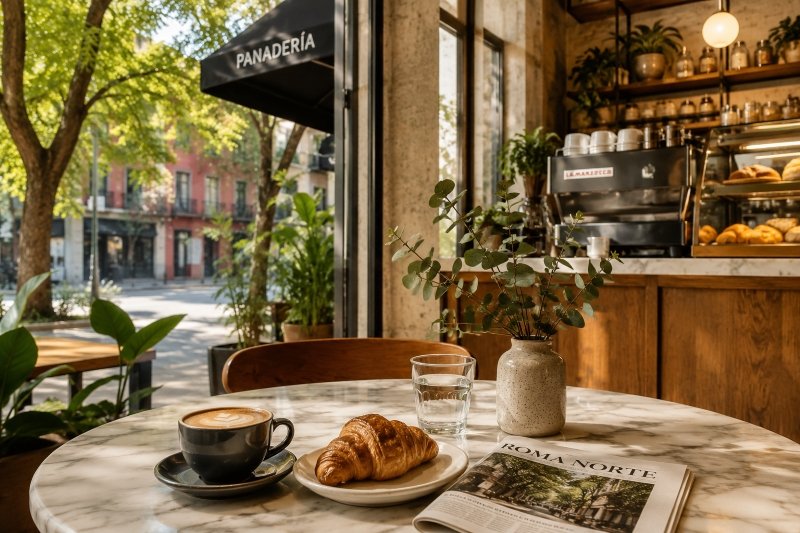
Roma Norte takes coffee and breakfast seriously.
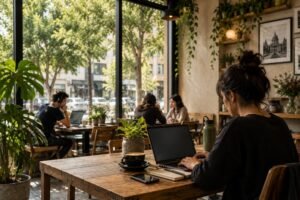
Specialty coffee shops are scattered throughout the neighborhood, ranging from minimalist espresso bars to cafés where people settle in with laptops or books for several hours.
For pastries, Panadería Rosetta is one of the neighborhood’s most recognizable names. The bakery opened in Roma in 2012 and produces breads and pastries daily using sourdough and slow fermentation techniques, combining European baking traditions with Mexican ingredients and influences.
It can become busy, particularly during popular morning hours, but it is far from the neighborhood’s only breakfast option.
One of the pleasures of staying in Roma Norte is trying different cafés each morning. Look for neighborhood coffee shops on streets such as Colima, Córdoba, Orizaba, and Tonalá, then combine breakfast with a morning walk before restaurants and shops become busier.
If brunch is part of your plans, weekends tend to bring a more energetic atmosphere. For a slower experience, breakfast on a weekday morning gives you a better sense of everyday neighborhood life.
Art Galleries, Bookstores, and Local Shopping
Roma Norte’s creative reputation extends well beyond its food scene.
Many galleries occupy converted homes and small commercial spaces, particularly around streets such as Colima and Córdoba. The neighborhood includes established contemporary galleries as well as smaller independent projects, allowing visitors to see different sides of Mexico City’s art scene within a relatively compact area.
For a more structured cultural stop, visit MODO, Museo del Objeto del Objeto. The museum explores design and everyday material culture through temporary exhibitions and is located inside a house built in 1906 that is considered an example of surviving Art Nouveau architecture in Mexico City.
Book lovers can stop at Cafebrería El Péndulo on Álvaro Obregón, which combines a bookstore with a café and cultural programming. Its Roma location has also received architectural recognition.
Shopping in Roma Norte is best approached in the same way as its galleries: wander rather than target one shopping center.
Independent Mexican fashion, ceramics, homeware, vintage clothing, accessories, records, books, and contemporary design appear throughout the neighborhood. Colima is particularly useful if you want to combine design stores, food, art, and architecture in a single walk.
Parks and Outdoor Spaces
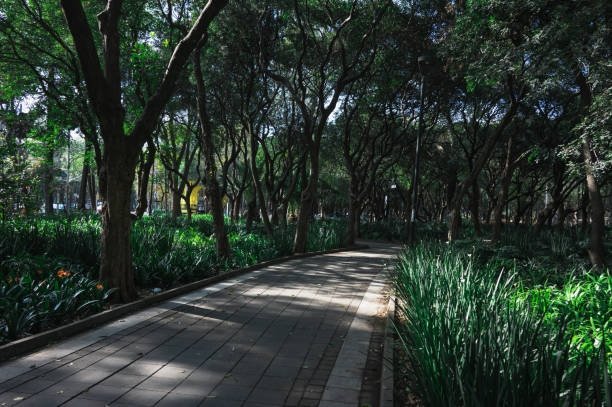
Roma Norte does not have enormous parks within its boundaries, but its plazas and tree lined streets create plenty of opportunities to take a break.
Plaza Río de Janeiro is ideal for sitting under the trees between stops.
Plaza Luis Cabrera is another pleasant neighborhood square surrounded by cafés and restaurants.
Álvaro Obregón’s central pedestrian promenade can also function as a linear park, especially if you want to keep moving without dealing with constant vehicle traffic.
If you want more green space, walk west toward Condesa, where Parque México and Parque España provide larger areas for walking, people watching, or simply slowing down.
This combination of small plazas, wide sidewalks, trees, and nearby parks is one reason Roma Norte works particularly well for travelers who prefer exploring without a strict itinerary.
Roma Norte After Dark
The neighborhood changes considerably after sunset.
Restaurants fill up, terraces become busier, and cocktail bars, wine bars, mezcalerías, and rooftops create multiple options for an evening out.
Roma Norte is particularly convenient for bar hopping because many nightlife venues are concentrated within walking distance of one another. Current nightlife guides continue to point to the area around Álvaro Obregón and nearby streets as one of the city’s strongest clusters for cocktails, mezcal, natural wine, and rooftop bars.
If you enjoy agave spirits, a mezcalería can provide a more distinctly Mexican drinking experience than simply ordering cocktails at an international style bar.
Rooftops are another option, particularly around sunset, when Mexico City’s skyline and mountain backdrop can become part of the evening.
Keep in mind that the same nightlife that makes Roma Norte attractive can also create noise. If you are staying in the neighborhood but value quiet evenings, accommodation on a residential side street can make more sense than staying directly on a nightlife corridor.
A One Day Roma Norte Itinerary
If you only have one day, start early.
Have breakfast and coffee around Colima or Córdoba, then walk toward Plaza Río de Janeiro. Spend some time looking at the surrounding architecture before continuing toward MODO or one of the area’s galleries.
From there, walk through the neighborhood rather than taking a car. Explore Colima, Orizaba, and nearby residential streets, stopping at boutiques or bookstores that catch your attention.
Plan lunch as your main meal of the day. This can be a reservation at a destination restaurant such as Contramar or Rosetta, or something casual you discover during your walk.
After lunch, head toward Álvaro Obregón. Browse El Péndulo, walk along the central promenade, and continue toward Fuente de Cibeles.
If you still have energy, cross toward Condesa for a walk around Parque México before returning to Roma.
Finish the day with dinner followed by a cocktail, glass of Mexican wine, mezcal, or rooftop drink.
The important part is not fitting in as many places as possible. Roma Norte is most enjoyable when you allow time between stops.
Practical Tips for Exploring the Neighborhood
Walking is the best way to experience Roma Norte, so comfortable shoes are essential. Sidewalk conditions vary, and a day of exploring can involve much more walking than expected.
Traffic can be heavy during rush hour, making short trips by car slower than walking in some cases. When your destination is only a few blocks away, walking is usually simpler.
Reservations are worthwhile for highly sought after restaurants, particularly for lunch and dinner on weekends. However, keeping some meals unplanned gives you the flexibility to discover smaller places.
Carry some Mexican pesos even if you primarily use cards. Smaller businesses and street food vendors may be easier to pay in cash.
Small details can make exploring the neighborhood much easier, especially on a first visit. Knowing a few local tips about transportation, payments, walking, and everyday routines can help you move through Roma Norte and the surrounding areas more comfortably.
Most importantly, remember that Roma Norte is a residential neighborhood as well as a visitor destination. Keeping noise down around homes, treating public spaces respectfully, and supporting different types of local businesses creates a more thoughtful way to experience the area.
Where to Stay Near Roma Norte With ULIV
Staying in or near Roma Norte makes it easier to experience the neighborhood beyond its busiest hours.
Instead of traveling there only for lunch or dinner, you can see what the streets feel like during the morning, find a favorite local coffee shop, walk home after dinner, and explore Roma and Condesa without building transportation into every part of your itinerary.
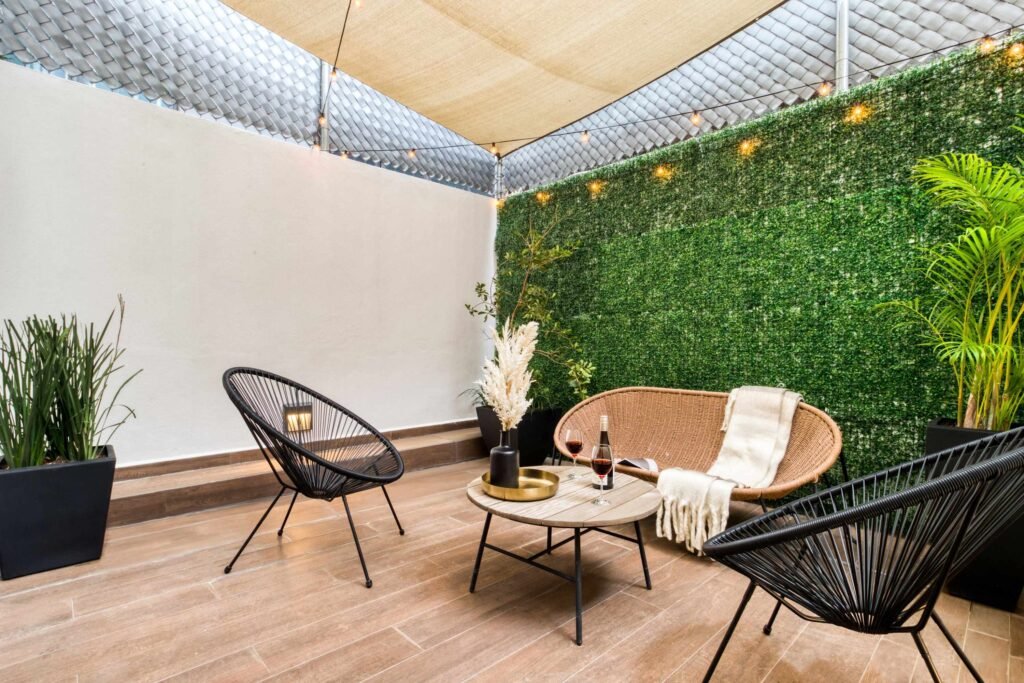
For stays of several days or longer, an apartment can also make the neighborhood feel more accessible. Having a kitchen, living space, workspace, and additional room to relax can be particularly useful for couples, business travelers, remote workers, families, and longer stays. Access to well-designed common areas can add even more flexibility, giving guests additional spaces to work, unwind, socialize, or simply step outside their apartment without leaving the property.
ULIV offers professionally managed apartments in and around some of Mexico City’s most attractive central neighborhoods, combining private living spaces with useful amenities and common areas designed to make both short and extended stays more comfortable.
From this part of the city, it is easy to explore Roma Norte on foot while also staying connected to Condesa, Juárez, Reforma, Chapultepec, and other important areas of Mexico City.
Choosing accommodation close to the places you plan to visit can also reduce daily transportation time, leaving more room for the experiences that make Roma special in the first place.
Conclusion
Roma Norte, Mexico City deserves more than a quick visit between restaurant reservations.
Its appeal comes from the combination of historic architecture, contemporary food, specialty coffee, independent art, bookstores, Mexican design, public spaces, and nightlife, all woven into a neighborhood that is best experienced on foot.
Visit landmarks such as Plaza Río de Janeiro and Fuente de Cibeles, but also pay attention to the streets connecting them. Reserve a famous restaurant, but leave space for tacos or a small neighborhood café. Visit a gallery, browse a bookstore, sit in a plaza, and give yourself time to notice the architecture.
A full day offers a good introduction, but a weekend lets you experience Roma Norte at a much more natural pace.
And if you stay nearby, the neighborhood becomes more than a sightseeing destination. Morning coffee runs, spontaneous dinners, afternoon walks, and late night drinks become part of your everyday Mexico City experience.
That is ultimately the best way to enjoy Roma Norte: not simply by seeing it, but by spending enough time there to fall into its rhythm.